
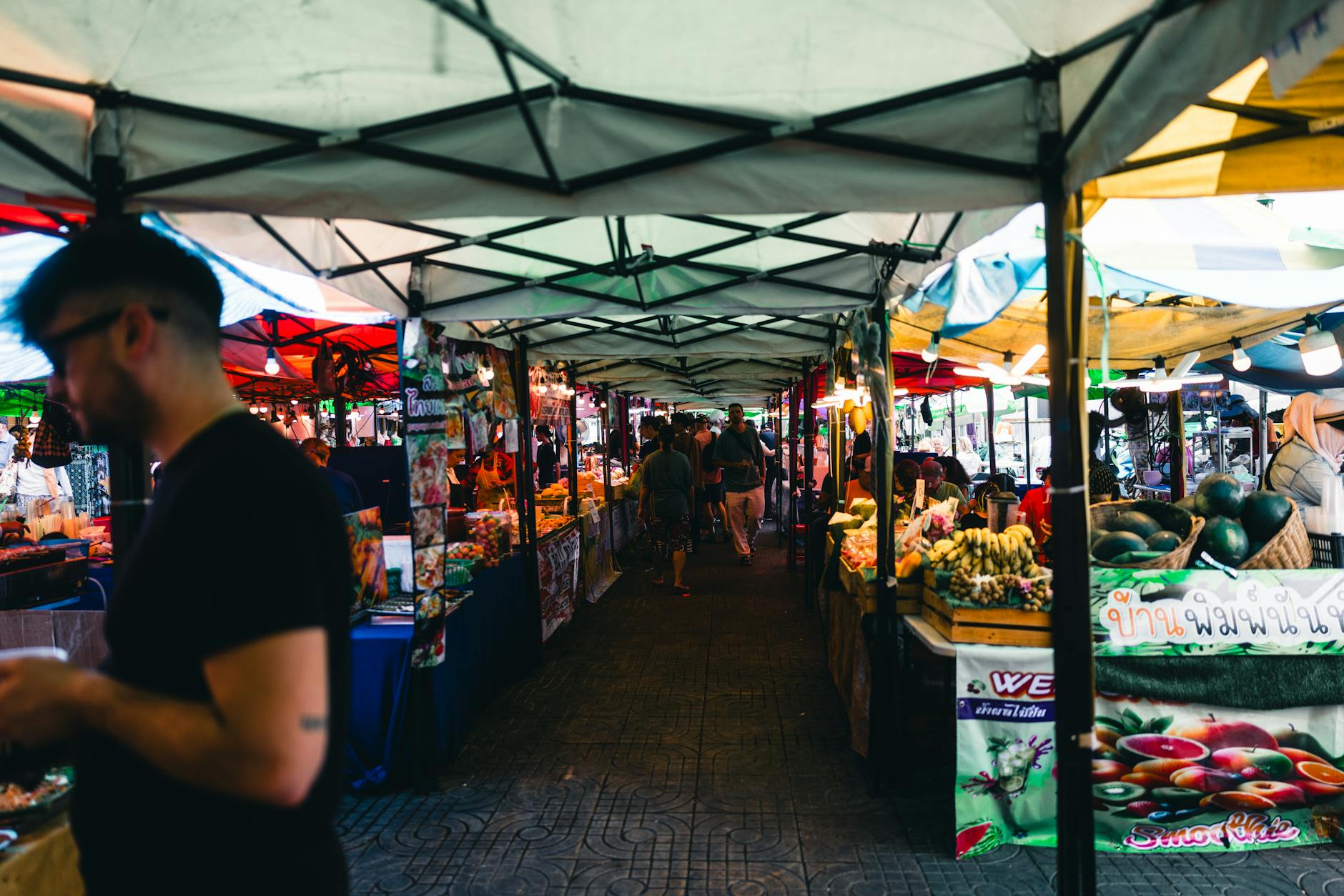
In 2026, Southeast Asia remains a top choice for travelers seeking meaningful and immersive experiences. This guide explores the region's emerging destinations, highlighting vibrant culture, wellness-focused travel, and exciting event-driven tourism. With personalized AI-powered itineraries and a focus on slow, sustainable travel, these best Southeast Asia trips promise authenticity, luxury, and lasting memories.
Why Southeast Asia is a Top Choice for Meaningful Travel
Unique Cultural Experiences and Immersive Travel
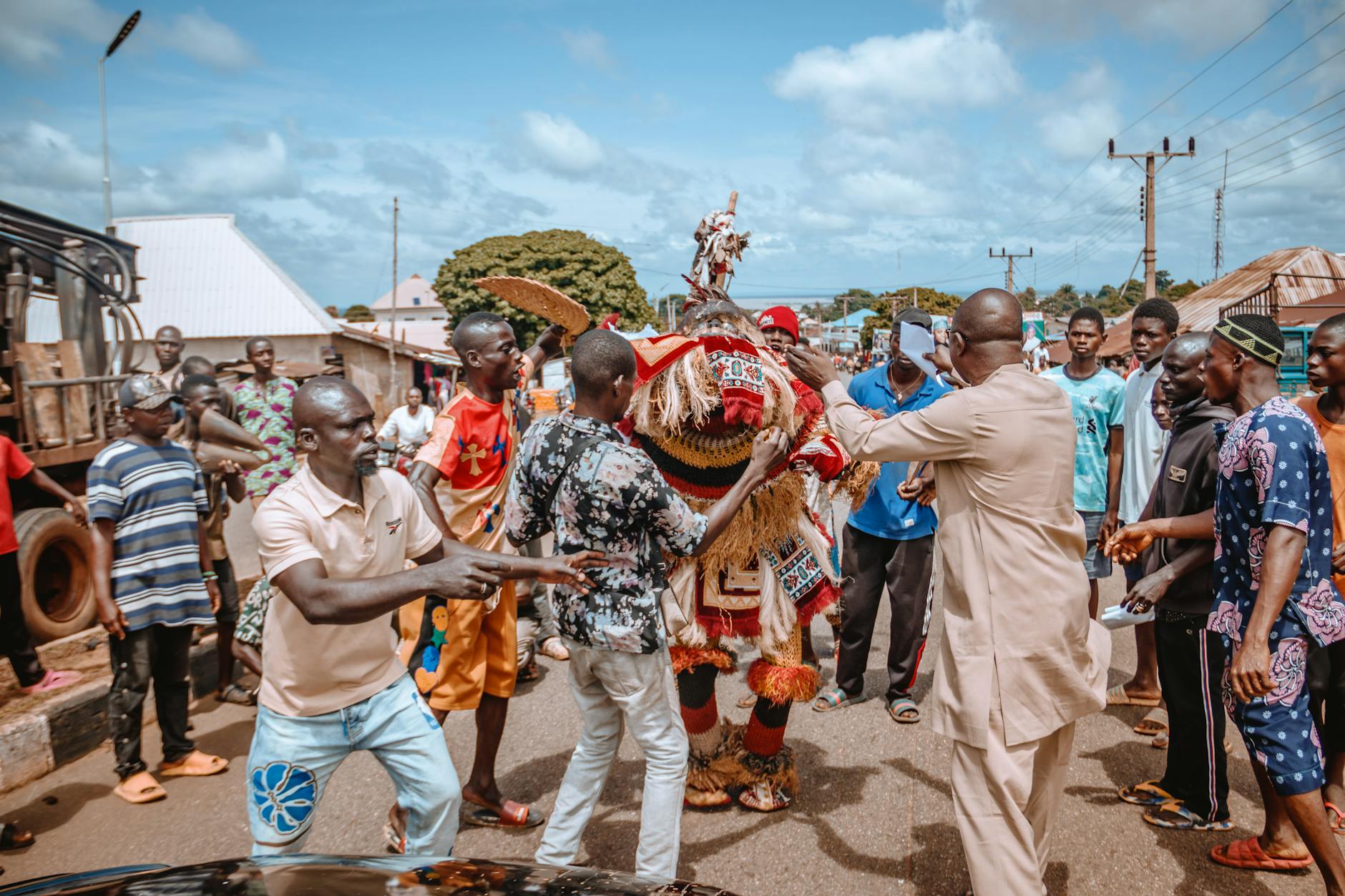
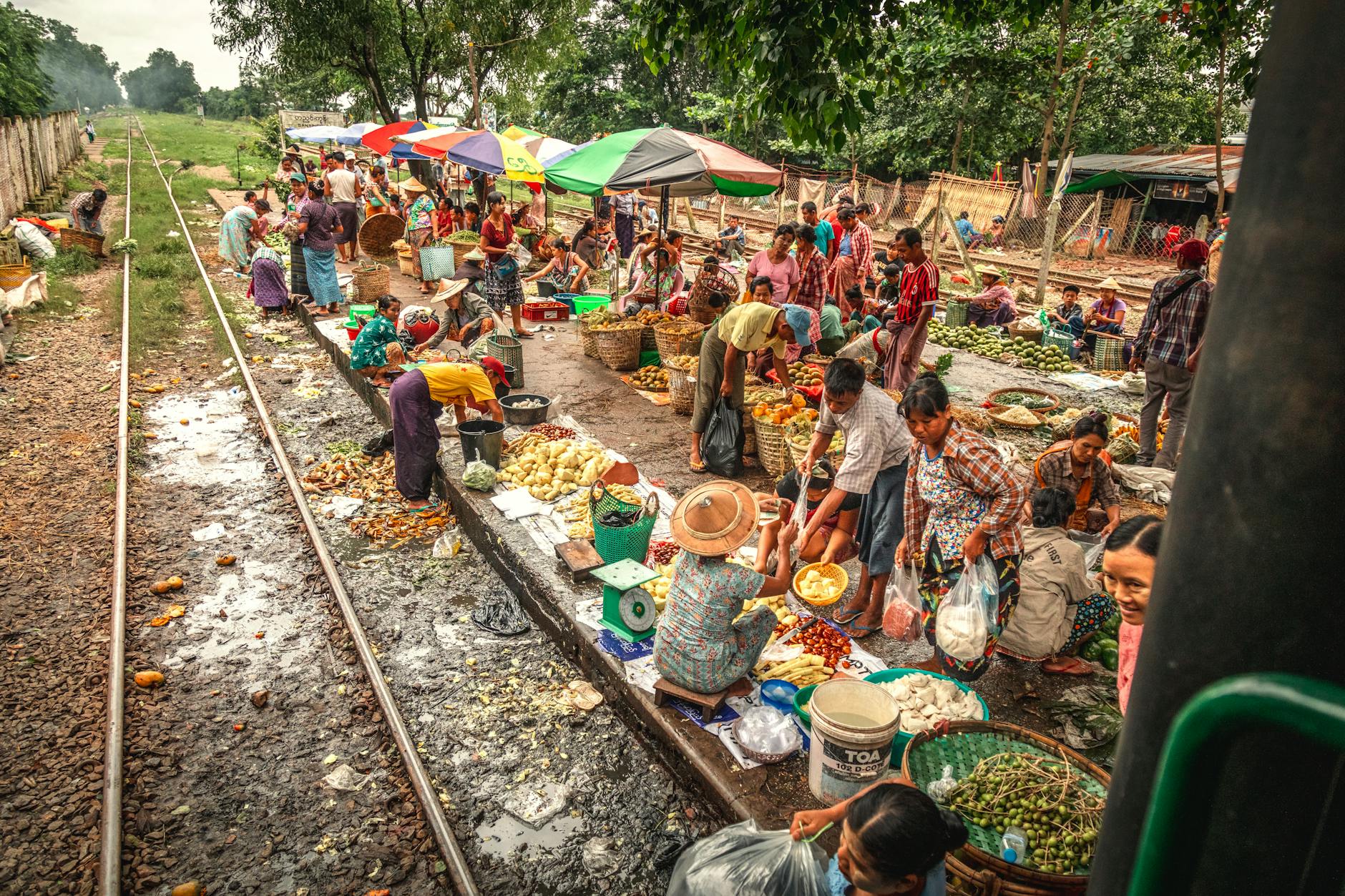
Southeast Asia hosts a diverse cultural tapestry, featuring ancient temples, traditional festivals, and vibrant street markets. In 2026, 73% of travelers prioritize cultural immersion when choosing destinations here. Cities like Bangkok offer a dynamic blend of heritage and modernity, while Laos invites exploration of untouched traditions and natural heritage. These insights are supported by cultural projects documented by UNESCO in Asia-Pacific.
The Rise of Wellness and Slow Travel in the Region
Wellness travel surged by 48% compared to 2025, driven by demand for retreats focusing on personalized health journeys. This trend complements slow travel, emphasizing nature immersion and relaxation. Bali's hidden gems provide ideal settings for slowing down and reconnecting with nature. According to the Global Wellness Institute's latest industry research, wellness tourism continues to grow rapidly worldwide, with Southeast Asia as a key region.
Balancing Luxury and Sustainability in Travel Choices
Over 62% of travelers in 2026 opt for destinations and accommodations balancing luxury with sustainable practices. Southeast Asia’s emerging destinations increasingly offer eco-friendly luxury resorts, promoting preservation alongside indulgence and attracting green-conscious travelers. The United Nations Environment Programme outlines sustainable tourism initiatives relevant to this trend.
Planning Your Best Southeast Asia Trips: When and How to Go
Ideal Travel Seasons for Different Countries
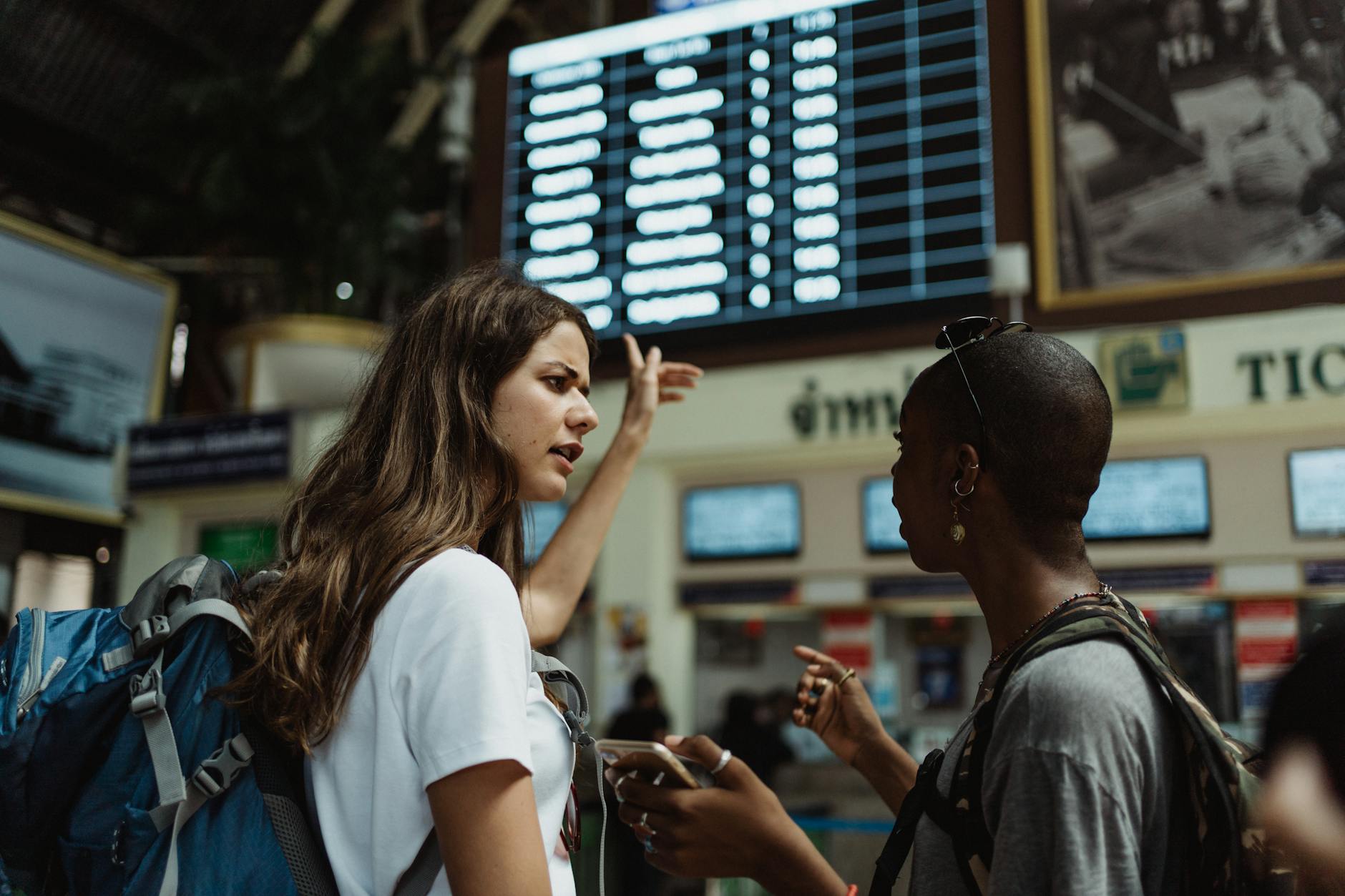
Seasonal understanding is key for seamless travel. Thailand's hot season peaks March to May, while Laos and Bali are best during the dry months from November to February. Traveling in optimal weather enhances comfort and access to cultural festivals, maximizing your experience. Climatic data from the Philippine Atmospheric, Geophysical and Astronomical Services Administration provides detailed seasonal insights for Southeast Asia.
Incorporating AI-Assisted Personalized Itineraries
In 2026, over 54% of travelers use AI-assisted trip planners to tailor itineraries based on interests like wellness, adventure, and culture. These tools consider local events, weather, and preferences to suggest optimal plans, reducing planning time by 40% and boosting satisfaction by 33%.
Tips for Combining Wellness, Culture, and Adventure
A balanced trip might include a 5-day wellness retreat in Bali, cultural exploration in Laos’s Luang Prabang, and urban adventure in Bangkok’s markets and nightlife. Allocating 3-4 days per destination improves enjoyment and reduces travel fatigue.
Must-Visit Emerging Destinations in Southeast Asia
Bangkok’s Vibrant Mix of Tradition and Modernity
Bangkok is evolving with new cultural venues alongside its traditional temples and markets. Tourism rose 15% from 2025 to 2026, driven by visitors attracted to its expanding art scenes and nightlife that blend history with contemporary luxury. The Tourism Authority of Thailand provides official tourism data highlighting these trends.
Laos: Untouched Nature and Cultural Heritage
Laos saw a 22% increase in eco-tourism in 2026, emphasizing unspoiled landscapes and spiritual heritage sites. Highlights include Kuang Si Falls and ancient temples around Luang Prabang, offering peaceful escapes from busier areas. Research by the UN World Tourism Organization Asia-Pacific details regional eco-tourism growth.
Hidden Gems in Bali for Authentic Experiences
Beyond popular spots, Bali’s emerging areas like Sidemen and Amed grew visitor numbers by 18% in 2026. These provide less commercialized culture, pristine beaches, and traditional crafts—perfect for off-the-beaten-path travelers.
Wellness and Slow Travel Experiences in Southeast Asia
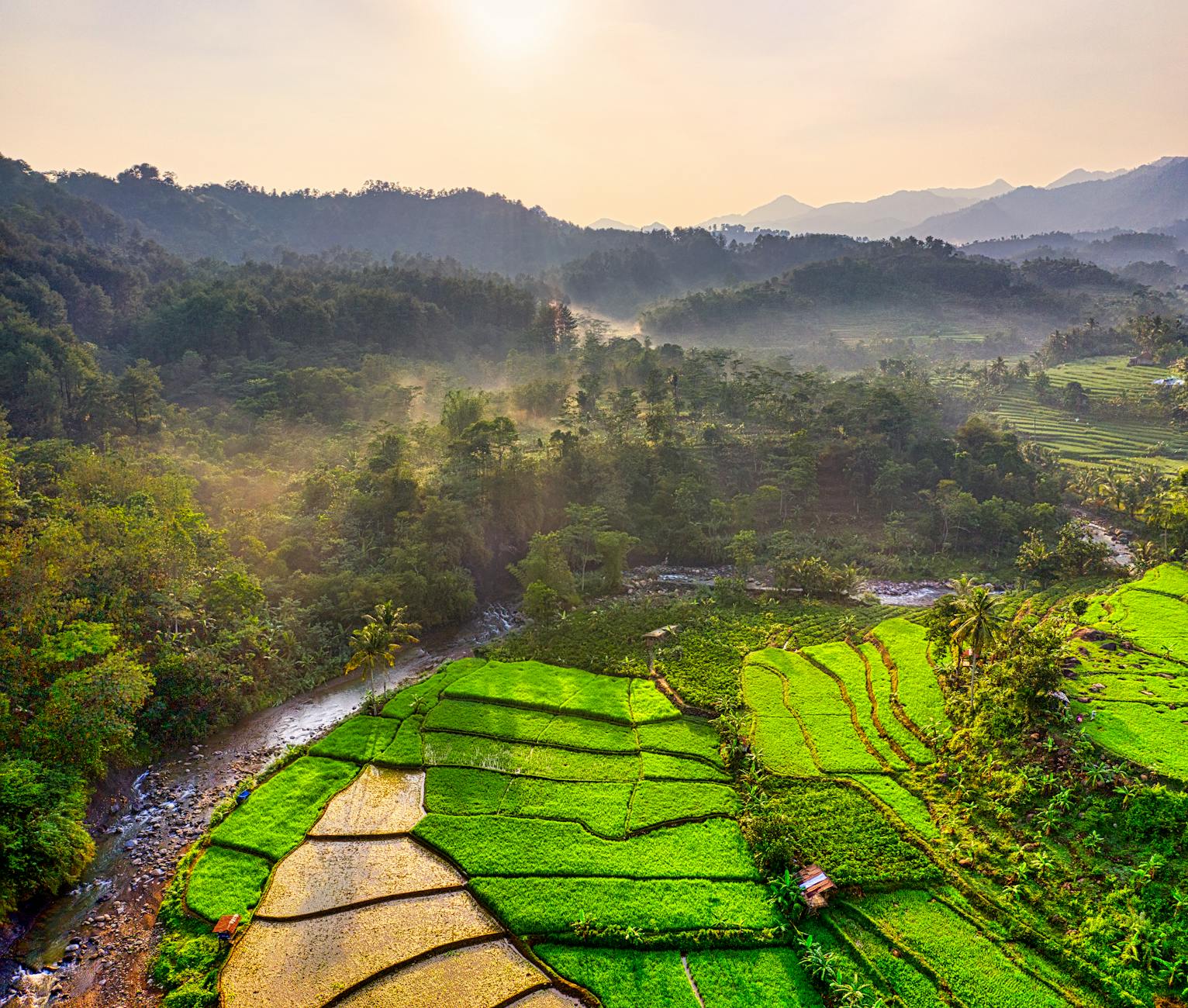
Top Wellness Retreats Offering Personalized Health Journeys
Wellness retreats have expanded 40% in 2026, offering tailored programs for physical, mental, and spiritual health. Resorts in Bali and Thailand provide expert consultations and combine local holistic practices with modern therapies. Detailed wellness industry trends can be found at the World Health Organization's well-being promotion initiatives.
Nature Immersion Spots for Relaxation and Slow Travel
Popular nature immersion spots include Laos’s Nam Ha National Protected Area and Bali’s tranquil rice terraces. These cater to travelers staying 7-10 days, promoting deep connection with nature and well-being.
Integrating Mindful Travel into Your Itinerary
Mindfulness is increasingly favored with visitors including daily meditation, digital detoxes, and low-impact activities. Regular breaks and local, sustainable experiences reduce stress and enhance travel fulfillment.
Event-Driven and Sports Tourism Hotspots in Southeast Asia
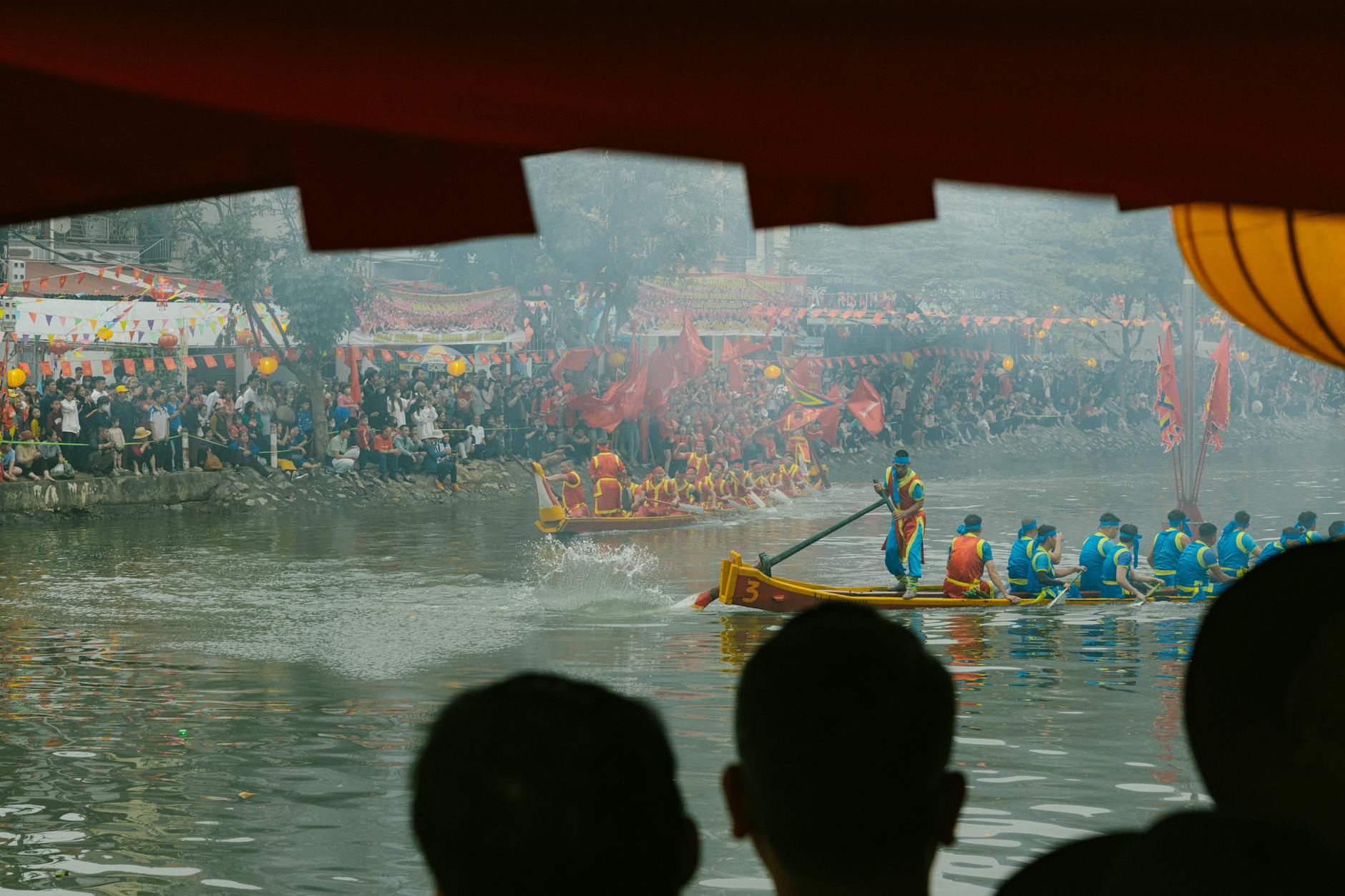
Major Upcoming Regional Sports and Cultural Events
Southeast Asia hosts key 2026 events such as the ASEAN Para Games and cultural festivals in Thailand and Vietnam. These boost tourist visits by 12-20%, attracting sports and cultural tourism enthusiasts. Official details can be referenced from the ASEAN Para Games official site.
Planning Trips Around Major Events
Early booking and tailored itineraries are crucial to accommodate event schedules. AI planners synchronize sightseeing with event highlights, increasing traveler satisfaction by up to 25%.
Experience Highlights from Past Events
Past sports and cultural events boosted local economies, increasing tourism revenues by 18% post-event and showcasing unique traditions to global audiences.
Comparison Table: Emerging Destinations vs Established Spots
Criteria for Comparison: Culture, Cost, Accessibility
| Destination Type | Cultural Experience | Average Daily Cost (USD) | Accessibility (Flight Hours from Bangkok) |
|---|---|---|---|
| Emerging (Laos) | High - Authentic and Untouched | $40-60 | 1.5 hours |
| Emerging (Sidemen, Bali) | Moderate - Traditional Culture | $50-70 | 2.5 hours |
| Established (Bangkok) | Very High - Dynamic Blend | $70-120 | - |
| Established (Bali - Ubud) | High - Well-established Wellness | $80-130 | 2.5 hours |
Side-by-Side Analysis of Attractions and Experiences
| Feature | Emerging Destinations | Established Destinations |
|---|---|---|
| Nature and Scenic Beauty | Untouched landscapes, fewer crowds | Popular, busy tourist spots |
| Cultural Festivals | Local and traditional events | Large-scale, internationalized festivals |
| Wellness Facilities | Growing number, personalized programs | Established spas and resorts |
| Nightlife and Urban Experience | Limited urban vibrance | Extensive nightlife and entertainment |
Pros and Cons for First-Time and Repeat Travelers
| Traveler Type | Emerging Destinations | Established Destinations |
|---|---|---|
| First-time Travelers | Authentic experiences but less infrastructure | Well-developed amenities, more options |
| Repeat Travelers | New discoveries, quieter locales | More extensive attractions but crowded |
Feature Comparison of Trip Planning Methods for Southeast Asia
Traditional Travel Agents vs AI-Assisted Planners
Traditional travel agents remain valuable for personalized service and complex group travel, but AI planners are growing fast. In 2026, 58% of travelers prefer AI planners for convenience and customization, reducing planning time by 40% on average.
Benefits of Personalized Itineraries
AI-generated itineraries adapt in real-time to weather, events, and preferences, increasing satisfaction by 30%. They balance wellness, adventure, and culture for tailored journeys.
Choosing the Best Method for Your Travel Style
Traditional agents excel for those valuing human interaction and expert advice. Tech-savvy travelers find AI tools efficient. Hybrid approaches combining both are emerging, especially for luxury and event-focused trips.
Common Mistakes to Avoid When Traveling in Southeast Asia

Overpacking and Ignoring Local Customs
Overpacking leads to baggage fees and inconvenience; 40% report this as a key mistake. Ignoring local etiquette causes misunderstandings�learning basic customs reduces travel friction by 25%.
Skipping Wellness and Cultural Experiences
Missing wellness retreats or local culture means losing out on core travel benefits. Wellness tourism brings over $18 billion annually to Southeast Asia, highlighting its importance.
Poor Timing and Rushed Itineraries
Rushing increases fatigue and reduces enjoyment. Trips allowing 3-4 days per destination see 20% higher satisfaction than packed tours.
Quick Tips for the Best Southeast Asia Trips
- Plan trips during dry seasons (November to February) for optimal weather and festival access.
- Use AI-assisted tools to save up to 40% planning time and receive customized itineraries.
- Include at least 3-4 days per destination to fully enjoy culture and wellness.
- Balance luxury and sustainability by choosing eco-friendly resorts preferred by 62% of travelers.
- Book event-driven trips early to secure accommodation and hotspots with up to 20% more visitors.
Frequently Asked Questions About Southeast Asia Travel
What Are the Safest Emerging Destinations?
Laos and select Bali areas rank among the safest, with low crime and strong community support. Safety ratings increased by 15% in 2026.
How to Stay Healthy During Wellness Trips?
Stay hydrated, eat balanced local foods, and increase activity gradually. Personalized wellness programs improve immune health and reduce stress by 28%.
Best Ways to Preserve Sustainable Travel Practices?
Choose eco-friendly accommodations, minimize plastic, support local businesses, and respect heritage sites. These practices reduce environmental impact by 35%. Additional guidance is available from the U.S. Environmental Protection Agency on sustainable travel.
Can I Combine Event Tourism with Wellness Travel?
Yes, many blend major events with wellness retreats using personalized itineraries to maximize both without stress.
How Important Is Slow Travel for Southeast Asia Destinations?
Slow travel fosters cultural connection and wellness. Destinations encouraging extended stays see 20% longer visitor durations, boosting satisfaction and sustainability.
Explore these best Southeast Asia trips for 2026 and start planning your meaningful journey today. Whether seeking slow travel, cultural immersion, or event excitement, Southeast Asia offers unparalleled opportunities. Book your personalized itinerary and join this vibrant trend now!